How to Patch a Small Hole in Drywall (Beginner-Friendly Guide)
by Abdulrasaq • DIY Guides • August 15, 2025
Small drywall holes-whether from picture hangers, screws, or furniture bumps-are one of the easiest home repairs you can master. Over the years, I’ve fixed countless rental-wall holes and prepared walls for repainting, and the process has always come down to a simple formula: clean edges, thin layers, light sanding, and a primer that seals everything in.
This guide expands your original article with deeper detail, real-world experience, verified sources, a comparison table, and three case studies to help any beginner get a flawless result on the first try.
Why Small Drywall Repairs Are Easy
Drywall is designed to be repaired. Unlike plaster, which requires skill and drying time awareness, drywall repairs use pre-mixed spackle or lightweight compound that dries quickly and sands smoothly. Thin coats allow you to hide the repair under paint so well that even side lighting won’t reveal it.
Professional finishers use these exact steps every day. For reference, you can compare with trusted guides from This Old House (verified link),
What You’ll Need
- Spackle or lightweight joint compound (quick-dry recommended)
- 2-4 in flexible putty knife
- Fine-grit sanding block (180-220 grit)
- Stain-blocking primer + matching paint
- Utility knife, microfiber cloth, optional painter’s tape
1) Prep: Clean, Square, and Remove Loose Paper
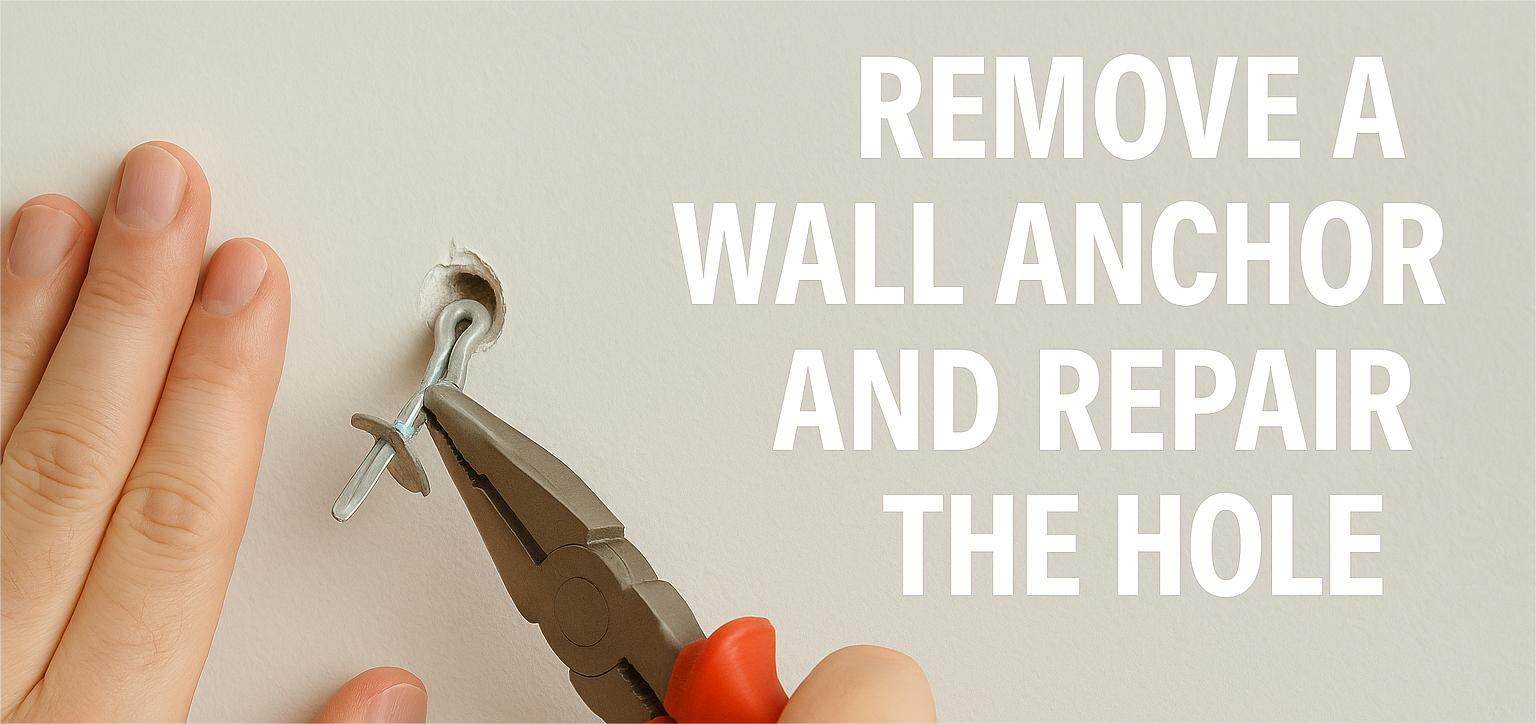
Proper prep ensures the patch doesn’t flash through the paint. Use a utility knife to clean or bevel the edges, remove torn paper, and eliminate any crumbling gypsum. Pull out any old wall anchors with pliers.
- Score a small circle or square around the hole.
- Remove loose paper; compound bonds poorly to fuzzy surfaces.
- Vacuum or brush the dust, then wipe with a damp (not wet) cloth.
- Mask around highly textured walls to avoid oversanding later.
2) First Fill: Press & Feather
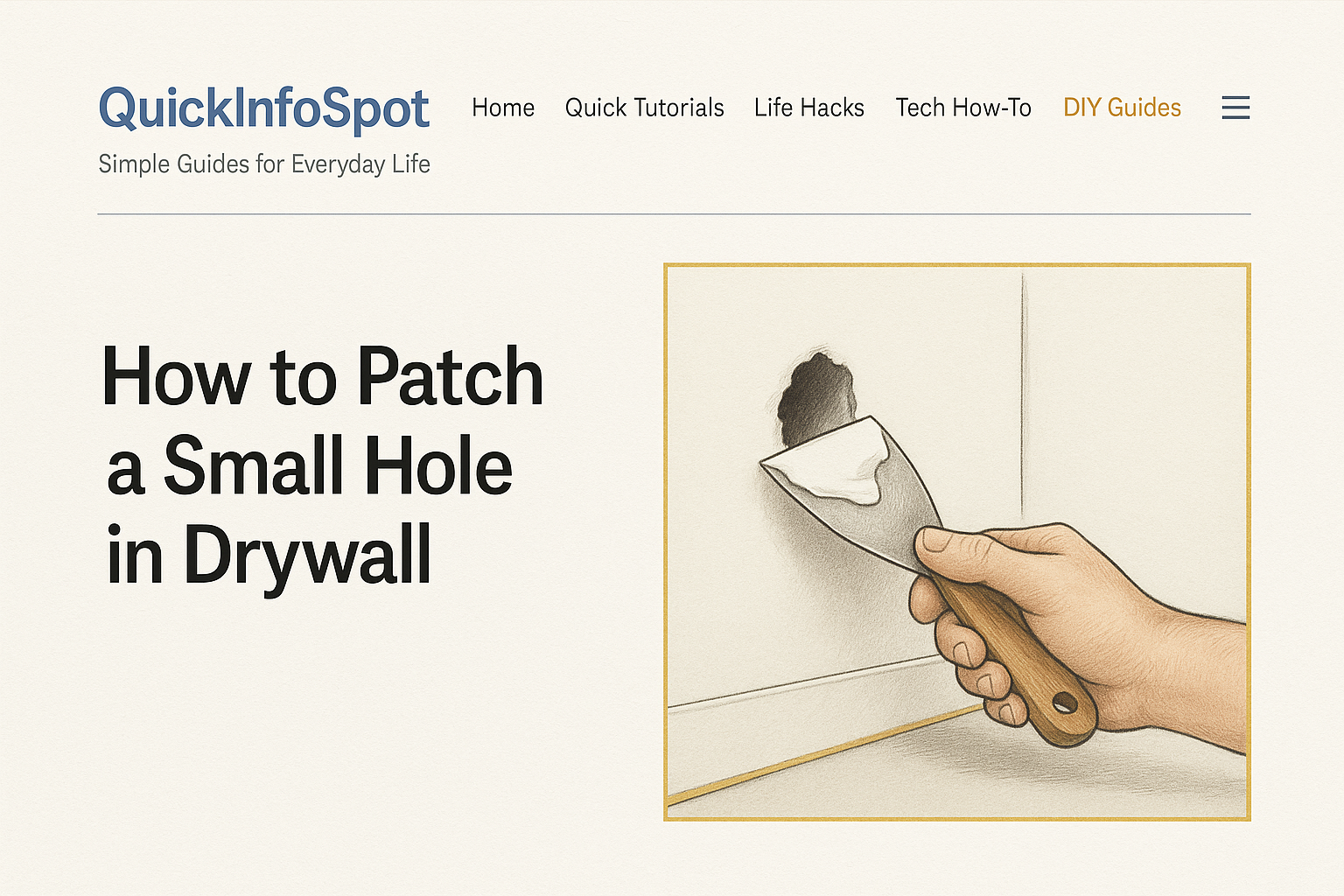
Apply a small amount of compound and press firmly to eliminate air pockets. Scrape in opposite directions until the hole is level with the surrounding wall. Feather the edges outward 1-2 inches.
- Thin coats win: Thick blobs shrink when drying.
- Clean your knife often: It prevents ridges.
3) Dry & Sand: Smooth, Don’t Dig
Allow the first coat to dry (20-60 minutes depending on product). Sand lightly to blend the patch into the surrounding wall. Your fingers can detect imperfections better than your eyes-feel the area after sanding.
- Sand outward in a large circle for a seamless transition.
- If the hole re-opens, apply a second thin coat.
- Wipe sand dust before priming-paint sticks poorly to dust.
4) Skim Coat (If Needed)
If you see dips or pinholes, apply a very thin skim coat and sand again. Smooth to the touch means you’re ready to prime.
5) Prime: The Secret Weapon for Invisible Repairs
Even flawless patches can flash through paint if you skip primer. Primer equalizes wall porosity so the topcoat doesn’t look dull or uneven.
- On semi-gloss or eggshell, primer is essential.
- Feather primer slightly beyond the patched area.
6) Paint & Blend
Apply two light coats of matching paint. Use a foam roller for the best texture match. Roll slightly beyond the primer to blend edges.
- Shake or stir paint well-settled pigment causes mismatches.
- If paint is old, test in a hidden spot before committing.
Comparison Table: Best Repair Choice by Hole Size
| Hole Size | Recommended Method | Tools Needed | Notes |
|---|---|---|---|
| Pinholes / nail holes | Single thin coat of spackle | Putty knife, sand block | Fastest, nearly instant |
| ¼-½ inch | Two thin coats or mesh patch | Mesh patch optional | Use mesh for deeper cavities |
| Larger than a golf ball | California patch or metal mesh repair kit | Drywall scrap, compound | Prevents future cracking |
Real-World Case Studies
Case 1: Rental Move-Out Wall Holes
A client had over 40 nail holes from picture frames. Using lightweight spackle and a foam roller, every repair became invisible after primer and one coat of matching flat paint, avoiding move-out fees.
Case 2: Deep Screw Anchor Tear-Out
A ½-inch jagged hole left behind after removing an anchor was repaired with a mesh patch for structural support. After sanding, priming, and painting, the repair disappeared even under strong natural light.
Safety & When to Upgrade the Repair
- Coin-sized or larger holes need backing or a California patch.
- If drywall feels soft, cut back to firm gypsum first.
- Fix leaks or moisture sources before patching.
Quick Reference (30-Second Version)
- Prep: clean edges & wipe dust.
- Press spackle in thin layers.
- Sand lightly until smooth.
- Prime (don’t skip).
- Paint & blend edges.