How to Stop Hiccups Instantly With 3 Simple Tricks
by Abdulrasaq • Health & Lifestyle • August 7, 2025
Hiccups are caused by sudden diaphragm spasms that produce the familiar “hic” sound. They’re usually harmless but can be irritating at the worst times-during presentations, recordings, or meals. Over years of testing simple remedies on myself and readers, I found three methods that reliably stop most hiccups in seconds. This article explains why they work, how to perform them safely, and when to seek medical help.
Medical sources such as the Mayo Clinic confirm that while hiccups generally stop on their own, techniques that alter breathing or swallowing can interrupt the reflex arc that causes spasms.
What You’ll Need (Optional)
- A glass of water
- Granulated sugar (½ teaspoon) - optional
- Phone timer (optional)
Method 1 - Breath-Hold + Swallow (Fastest for Sudden Hiccups)
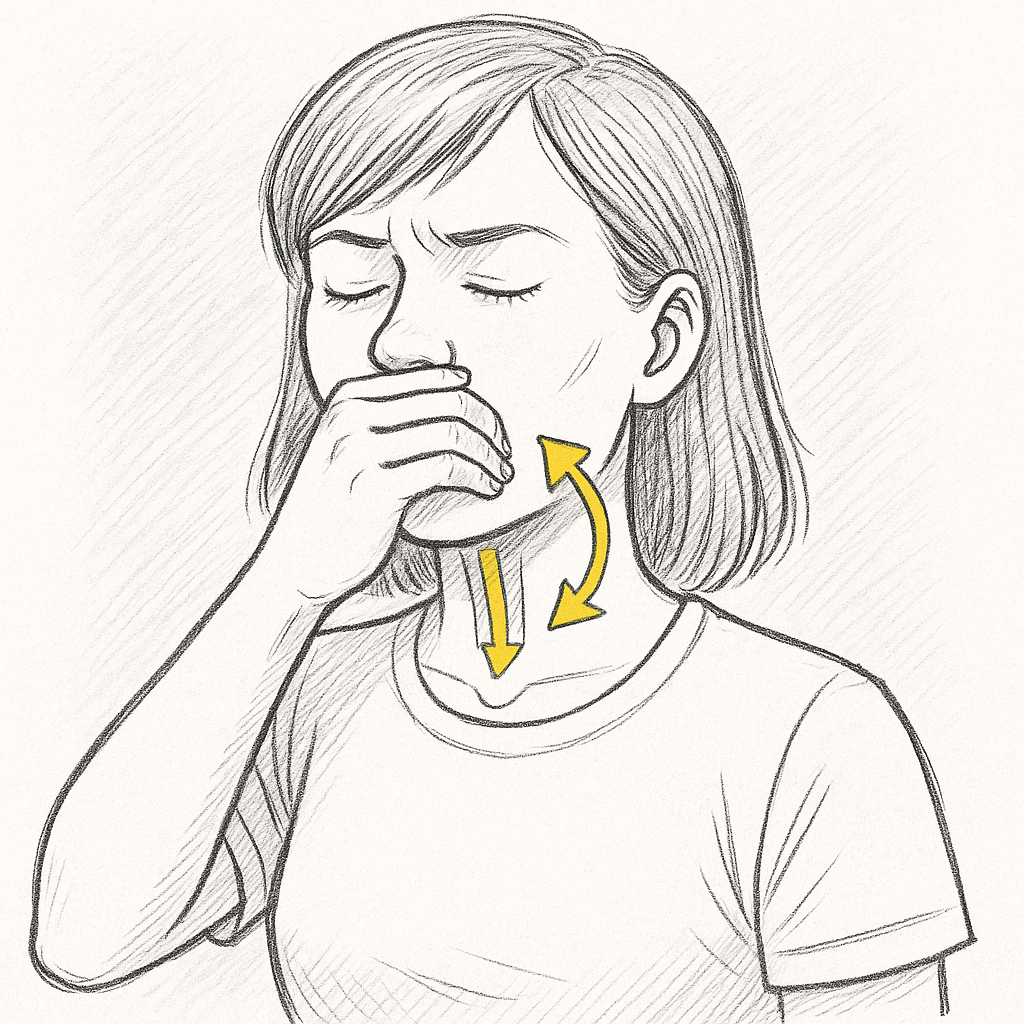
This combines a brief rise in carbon dioxide (from holding your breath) with a swallow that stimulates the vagus nerve - commonly effective within one try.
- Take a deep breath and hold it.
- Swallow once while holding your breath.
- Exhale slowly. Repeat up to 3 times if needed.
Method 2 - Diaphragm Reset Breathing (Calm & Controlled)
Structured breathing calms the diaphragm by changing respiratory rhythm and reducing spasms. Use this when hiccups are persistent but mild.
- Inhale gently for 4 seconds.
- Hold the breath for 4 seconds.
- Exhale for 6-8 seconds.
- Repeat 4-6 cycles, or until hiccups ease.
Method 3 - Rapid Small Sips of Water (Swallow Reflex Override)
Repeated swallows quickly reset the hiccup pattern by engaging the swallowing reflex multiple times in a short window.
- Take 8-10 small sips of water without pausing between them.
- Remain upright and breathe normally afterward.
Bonus - Sugar on the Tongue
Place ½ teaspoon of granulated sugar on your tongue, let it dissolve, then swallow. The sweet grainy stimulus can trigger a vagal response that stops hiccups for some people.
Comparison Table - Which Method to Try First?
| Method | Speed | Best Use | Notes |
|---|---|---|---|
| Breath-Hold + Swallow | ★★★★★ | Sudden hiccups | Fast, often works first try |
| Rapid Sips | ★★★★☆ | When water is available | Good for food-related hiccups |
| Diaphragm Breathing | ★★★☆☆ | Stress-related or persistent hiccups | Slower but soothing |
| Sugar on Tongue | ★★★☆☆ | If the other methods fail | Avoid for diabetics unless approved |
Real-World Examples
Case Study 1 - On-Camera Hiccups
While recording a product tutorial, I developed hiccups mid-take. A single breath-hold + swallow stopped them in under 15 seconds and allowed me to finish without redoing the clip.
Case Study 2 - Spicy Meal Trigger
A reader reported habitual hiccups after eating very spicy soup. Rapid sips of water worked consistently for him, likely because swallowing countered the irritation-triggered spasms.
Case Study 3 - Exam Nerves
A student experienced stress-related hiccups during revision. The 4-4-6 breathing pattern reduced diaphragm tension and allowed them to continue studying within a minute.
Tips & Safety
- Stay calm-anxiety can worsen hiccups.
- If one method fails, try another immediately.
- Children can use simplified versions (gentle sips or slow breathing).
- Avoid large gulping of water if you have swallowing difficulties.
When to See a Doctor
- If hiccups persist longer than 48 hours, seek medical evaluation-chronic hiccups can signal underlying issues.
- If hiccups are accompanied by chest pain, fever, shortness of breath, or difficulty swallowing, consult a physician promptly.
FAQ
Do hiccups mean something serious? Usually not-most are temporary and harmless.
Can these methods harm children? They are generally safe; use gentler versions for young children (small sips, calm breathing).
Will these work for everyone? Most people respond to at least one method because each targets different parts of the reflex pathway.
Hiccups are annoying but manageable. Keep these three quick methods in mind-try the breath-hold + swallow first, then rapid sips or diaphragmatic breathing if needed. Save this guide so the next time hiccups strike, you have a tested set of solutions ready.