Did you know the air inside your home can be up to five times more polluted than the air outside? It's true. From furniture off-gassing to household cleaners, our modern homes trap toxins. But nature has a solution.
In the late 1980s, NASA conducted a famous Clean Air Study to determine which plants were best at filtering toxins from the air in space stations. While your apartment isn't exactly the International Space Station, the results are just as relevant. Certain common houseplants are incredibly efficient at absorbing harmful chemicals like formaldehyde, benzene, and trichloroethylene.
We've compiled the top 5 "hard-to-kill" plants from that study that will not only spruce up your decor but also help you breathe a little easier. Let's dive in.
1. Snake Plant (Sansevieria trifasciata)
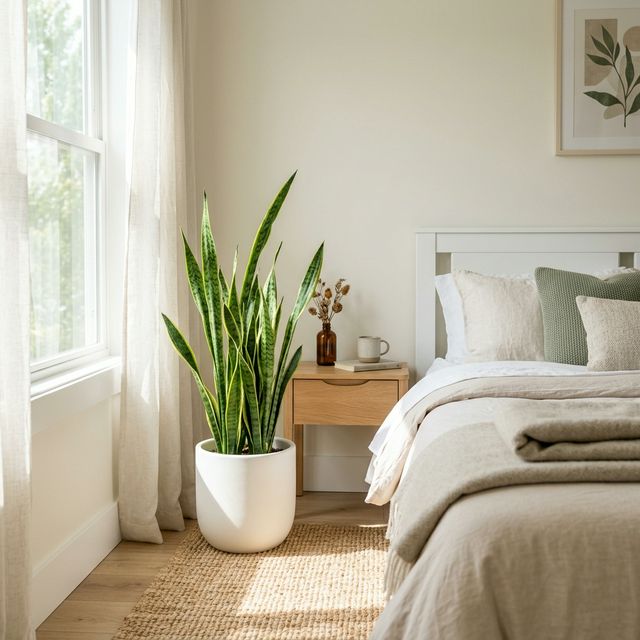
Also known as "Mother-in-Law's Tongue," the Snake Plant is arguably the toughest houseplant on Earth. It can survive weeks without water and thrives in low light. But its real superpower happens at night.
Most plants release carbon dioxide at night (a process called respiration). The Snake Plant is one of the few that continues to convert CO2 into oxygen even after the sun goes down. This makes it the absolute best plant to keep in your bedroom for a better night's sleep.
Care Level: Indestructible. Water it once a month. Seriously.
2. Spider Plant (Chlorophytum comosum)
If you have pets, this is your winner. The Spider Plant effectively removes formaldehyde and xylene from the air, but unlike many air-purifying plants (like the Peace Lily), it is completely non-toxic to cats and dogs.
This plant is iconic for its "spiderettes"—baby plants that dangle from the mother plant like spiders on a web. You can snip these off, place them in water, and root them to make endless free gifts for friends. They prefer bright, indirect light but are very forgiving if you forget them for a week.
Care Level: Easy. Water when the top inch of soil is dry. Avoid direct scorching sun.
3. Peace Lily (Spathiphyllum)
The Peace Lily is a powerhouse filter. NASA's study found it to be one of the top performers for removing all three major common household toxins: formaldehyde, benzene, and trichloroethylene. It also combats toluene and xylene.
Beyond its filtering capabilities, it's beautiful. It produces elegant white "flowers" (actually modified leaves called spathes) that add a touch of class to any room. One unique feature is that the Peace Lily is dramatic—when it's thirsty, its leaves will droop significantly. It tells you exactly when it needs a drink, and perks back up within an hour of watering.
Note: Pollen from the flowers can be toxic to cats, so keep this one out of reach or opt for the Spider Plant instead.
4. Aloe Vera
Everyone knows Aloe Vera for its healing gel, perfect for soothing kitchen burns and sunburns. But it's also a fantastic air purifier, targeting benzene and formaldehyde—chemicals often found in varnishes, floor finishes, and detergents.
Like the Snake Plant, Aloe is a succulent, meaning it stores water in its leaves. It loves a sunny kitchen window and hates being overwatered. It's a functional, medicinal, and purifying addition to your culinary space.
Care Level: Moderate. Needs bright sun. Let the soil dry out completely between waterings to avoid root rot.
5. English Ivy (Hedera helix)
English Ivy is a classic vining plant that looks stunning trailing off a bookshelf or hanging basket. But it's more than just a pretty face. Studies have shown it to be particularly effective at reducing airborne fecal particles (gross, we know) and mold spores.
This makes it an excellent choice for bathrooms or damp areas of the home where mold might be a concern. It prefers moist soil and cooler temperatures, unlike the heat-loving succulents on this list.
Care Level: Moderate. It likes humidity and consistent moisture but doesn't want "wet feet." Misting it occasionally helps keep it happy.
Maximizing Air Purification
To really see a difference in your home's air quality, NASA researchers recommend having at least one plant per 100 square feet of home or office space. This means for a standard 800 sq ft apartment, you should aim for about 8 medium-sized plants.
Additionally, keeping the leaves clean is crucial. Dust can clog the tiny pores (stomata) that plants use to breathe and filter the air. Wipe the leaves gently with a damp cloth once a month to keep them functioning at peak efficiency.
Final Thoughts
While one plant won't scrub your entire home's air clean instantly, adding a few of these green companions can measurably improve your indoor air quality over time. Plus, studies show that simply being around plants reduces stress and boosts productivity.
Start with a Snake Plant if you're a beginner. It's the gateway plant that will give you the confidence to turn your home into a thriving, clean-air oasis.