Don't reach for the poison. We show you how to identify and neutralize the five biggest urban garden threats using household pantry staples.
In a small-space garden, a pest infestation can gut your entire harvest in a single weekend. Because you are likely growing near your living space (or even inside it), chemical pesticides are out of the question. Organic pest control isn't just about killing bugs; it's about disrupting their life cycle and making your plants "unpalatable."
The Golden Rule: Inspection
The most powerful tool in organic pest control is your eyes. Once a week, look at the undersides of your leaves. This is where 90% of pests hide and lay eggs. Catching an infestation at the "five-bug stage" is the difference between a minor cleanup and a total loss.
The "Big Five" Urban Pests
Aphids (Leaf Suckers)
Tiny green or black specks that cluster on new growth. They suck the sap, causing leaves to curl.
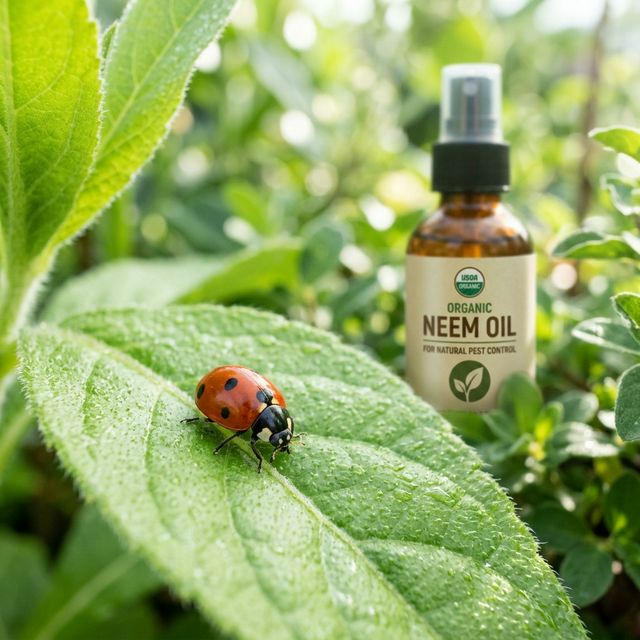
The Fix: A strong blast of water from a hose, or a spray of "Neem Oil" solution.Fungus Gnats
Little black flies that hover around the soil. Their larvae eat your roots.
The Fix: Let the soil dry out completely. Use yellow "sticky traps" to catch the adults.Spider Mites
Microscopic red dots. You'll notice fine webbing on the stems first.
The Fix: Increase humidity. Mites hate moisture. Spray daily with water.Whiteflies
Tiny white moths that fly up when you touch the plant.
The Fix: Yellow sticky traps and insecticidal soap (Castile soap + water).DIY "Nuke" Spray Recipe
If the infestation is serious, this all-purpose organic spray works on almost anything with a soft body:
- 1 Quart of warm water
- 1 Teaspoon of organic Castile soap (like Dr. Bronner's)
- 1 Tablespoon of Neem Oil (the active ingredient)
- Optional: A pinch of cayenne pepper (deterrent for mammals)
Caution: Never spray in direct sun. The oil will act like a magnifying glass and burn your leaves. Apply at sunset.
Biological Warfare: Beneficial Insects
Sometimes the best way to kill a bug is with a bigger bug. You can buy Ladybugs or Green Lacewings online. Releasing them on your balcony might seem crazy, but they are hyper-efficient predators that will hunt down every last aphid before moving on.
Companion Planting for Defense
Plants like Marigolds, Lavender, and Alliums (onions/garlic) emit strong scents that confuse the "smell receptors" of pests. By interspersing these flowers with your vegetables, you create a confusing olfactory maze that discourages pests from landing.
Pro Strategy: The Sacrificial "Trap Crop"
If you have a persistent pest problem, try the "Trap Crop" strategy. Plant something pests love *even more* than your main crop—like Nasturtiums for aphids or Sunflowers for stink bugs—in a separate pot. The pests will congregate there, leaving your prize tomatoes alone. You can then treat just that one pot or simply accept it as a decoy. It’s a sophisticated, semi-automated way to manage a large urban garden without chemicals.
Conclusion
A pest-free garden isn't a dead-zone; it's a balanced ecosystem. By focusing on plant health (strong plants have better immune systems) and using targeted organic remedies, you can enjoy a massive harvest without ever worrying about what's on your dinner plate.