You saw a bug. Do not panic. Do not reach for the Raid. Here is how to handle garden invaders safely and organically.
In an organic garden, the goal is not sterilization; it is balance. However, when aphids or spider mites take over, you need to intervene. Here are the safest, most effective tools in the arsenal.
1. Neem Oil
Targets: Aphids, Mites, Whiteflies.
How it works: It disrupts the hormonal system of pests so they forget to eat and breed. It also has antifungal properties.
Usage: Mix 1 tsp per quart of water with a drop of dish soap. Spray in the evening to avoid burning leaves.
2. Insecticidal Soap
Targets: Soft-bodied insects.
How it works: It dissolves the exoskeleton of the insect, causing it to dry out.
DIY Recipe: 1 tbsp pure Castile soap in 1 quart water.
3. Bacillus Thuringiensis (BT)
Targets: Caterpillars and worms (cabbage loopers, hornworms).
How it works: A bacteria that is toxic ONLY to caterpillars. Completely safe for humans, birds, and bees.
4. Beneficial Insects: The Natural Clean-up Crew
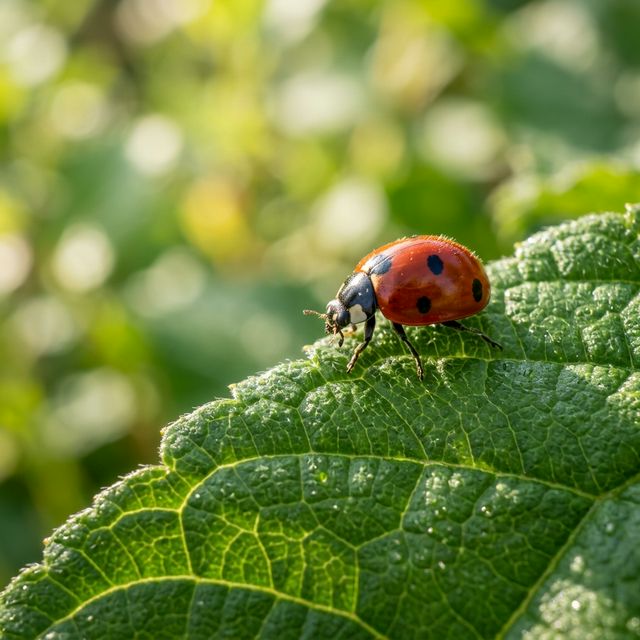
The best defense is a good offense. In an organic garden, you want to attract predators that do the work for you. Ladybugs are the most famous, consuming up to 5,000 aphids in their lifetime. Green Lacewings are even more aggressive, specifically targeting spider mites and mealybugs.
To attract them, plant "insectary" flowers in small pots near your vegetables. Alyssum, Dill, and Marigolds provide the nectar these beneficial insects need when they aren't hunting pests. Think of it as a refueling station for your guardians.
5. Pest Identification Guide
Before you treat, you must identify. Here are the "Big Three" urban garden invaders:
Aphids (The Sap-Suckers)
Small, pear-shaped insects usually clustered on new growth or the underside of leaves. They can be green, black, or even orange. They leave behind a sticky substance called "honeydew" which can lead to black sooty mold.
Spider Mites (The Ghostly Webs)
Tiny red or yellow specks that are almost invisible to the naked eye. The first sign is usually fine webbing between leaves and a "stippled" or bleached appearance on the leaf surface. They thrive in hot, dry environments.
Fungus Gnats (The Soil Dwellers)
Tiny black flies that hover around the soil surface. While the adults are just annoying, their larvae live in the soil and eat sensitive plant roots. They are a sign that you are overwatering.
DIY Organic Spray Recipes
You don't need to spend $20 at the store. Most effective organic treatments can be made in your kitchen:
The Garlic-Chili Knockout
Best for: Repelling rabbits, squirrels, and heavy-duty insects.
- 2 bulbs of garlic (peeled and crushed)
- 2 tsp cayenne pepper or 5 fresh habanero peppers
- 1 quart water
- 1 tsp castile soap
Blend the garlic, peppers, and water. Let it sit for 24 hours. Strain through a coffee filter, add the soap, and spray. Warning: Wear gloves and don't spray this into the wind—it's essentially organic pepper spray!
6. Universal Prevention Rules
- Inspect New Plants: Never bring a plant from a big-box store directly into your garden. Quarantine it for 7 days.
- Clean Your Tools: Pruners can spread diseases and microscopic mite eggs. Wipe them with 70% isopropyl alcohol between plants.
- The "Yellow Trap" Trick: Hang yellow sticky traps near your pots. They won't solve an infestation, but they act as an "early warning system" for flying pests.
- Air Circulation: Stagnant air is a playground for pests and mildew. If your balcony is enclosed, use a small oscillating fan.
Editor's Ethics Corner: The 10% Rule
In organic gardening, we advocate for the "10% Rule." Accept that 10% of your foliage might be nibbled. This small sacrifice supports the local bird and butterfly population. If you strive for 100% perfection, you'll end up reaching for chemicals. Embrace the imperfections—they are proof that your garden is alive and chemical-free.
Expert Resource: The Beneficial Bug List
Before you spray anything, look for "Lions." Ladybugs, Lacewings, and Praying Mantises are the lions of the garden. If you see them, stop all spraying—even organic ones. One ladybug can eat up to 50 aphids a day. Your goal is to create a habitat where these beneficial predators want to live, effectively outsourcing your pest control to nature itself.
Common Pest Control Myths Busted
There is a lot of bad advice on the internet when it comes to organic gardening. Let's clear up some dangerous misconceptions that can actually harm your plants:
Myth: Dish Soap is Perfectly Safe
Many "DIY" recipes recommend Dawn dish soap. In reality, most commercial dish soaps are technically synthetic detergents, not true soaps. These detergents strip the protective waxy coating (cuticle) off your plant's leaves, leaving them vulnerable to sunburn and fungal infections. Always look for pure, liquid castile soap instead.
Myth: If Organic is Good, More is Better
Neem oil is organic, but if you spray it every single day, you will clog the stomata (the pores through which leaves breathe). Plants treated too heavily with oils will suffocate and die. Follow the dilution instructions perfectly and never apply oils when temperatures are highly elevated.
Companion Planting: The Ultimate Defense
The most ancient form of organic pest control is companion planting. By strategically placing certain plants next to your vulnerable crops, you can mask their scent or repel pests entirely.
- Marigolds: Their strong scent confuses nematodes in the soil and repels certain beetles. Plant a border of marigolds around your tomatoes.
- Basil: excellent for repelling tomato hornworms and flies. Plus, they make a perfect culinary pair.
- Nasturtiums: These act as a "trap crop." Aphids love nasturtiums so much that they will attack them instead of your valuable vegetables. You simply sacrifice the trap crop to save your harvest.
Understanding Seasonal Pest Cycles
Pests are predictable. If you know when they are coming, you can prepare your defenses.
Spring: The season of the Aphid. As soon as new, tender, green shoots emerge, aphids will find them. Start inspecting the undersides of leaves as early as April. Have your neem oil ready.
Mid-Summer: When the heat peaks and the rain stops, Spider Mites take over. Mites hate humidity, but thrive in dry, dusty conditions. If you experience a heatwave, preemptively mist your plants with water to make the environment hostile to mites.
Late Summer/Fall: The time of caterpillars and worms. Cabbage loopers and hornworms will try to feast before winter. This is when BT (Bacillus Thuringiensis) should be in your sprayer.
Conclusion: Empathy for the Ecosystem
Remember that a few holes in a leaf is not a failure. It means your garden is part of the local ecosystem. Organic gardening is about working with nature's checks and balances rather than trying to overpower them. By using these safe methods, you ensure your harvest is healthy for both you and the environment.