Starting your first hydroponic garden? You've likely narrowed it down to two methods: The set-it-and-forget-it "Kratky" method, or the high-performance "Deep Water Culture" (DWC). Here is the definitive breakdown.
Hydroponics can be intimidating with all the pumps, timers, and reservoirs. But at its core, it is simple: plants need water, nutrients, and oxygen for their roots. How you deliver that oxygen determines whether you are running a generic DWC system or a passive Kratky setup.
Both methods use a reservoir (usually a bucket or bin) filled with nutrient solution. Both suspend the plant in a net cup above the water. The difference is O2 delivery.
The Contenders
1. The Kratky Method (Passive)
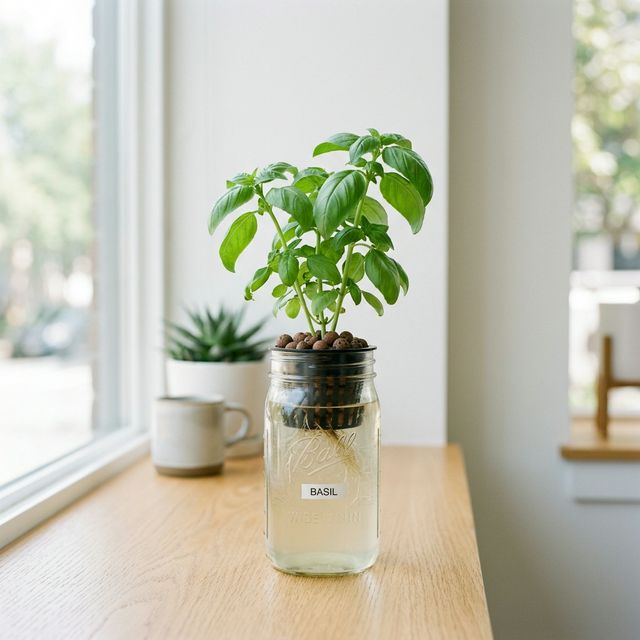
Named after Dr. Bernard Kratky from the University of Hawaii, this is hydroponics in its simplest form. There are no pumps, no electricity, and no moving parts.
How it works: You fill the reservoir once with nutrient solution. As the plant drinks, the water level drops. This creates an "air gap" between the plant support and the water. The roots in the air gap absorb oxygen from the humid air, while the root tips in the water absorb nutrients.
2. Deep Water Culture (Active)
DWC is essentially a Kratky system on steroids. It looks the same, but with one key addition: an air pump and an air stone (like in an aquarium).
How it works: The pump bubbles millions of air pockets through the water 24/7. This highly oxygenated water allows the roots to be completely submerged without "drowning." The massive amount of oxygen signals the plant to explode with growth.
Pros & Cons Breakdown
Kratky Method
✅ Pros
- Set and Forget: No daily checking.
- Zero Electricity: Can place anywhere.
- Silent: No humming pumps.
- Cheapest: Just a bucket and net cup.
⌠Cons
- Slower Growth: 15-20% slower than DWC.
- Water Stagnation: Risk of root rot in hot weather.
- Limited Crops: Not great for large fruiting plants (tomatoes) as they drink water too fast.
Deep Water Culture (DWC)
✅ Pros
- Maximum Speed: The fastest growth possible.
- Healthier Roots: Bubbles prevent rot.
- Versatile: Can grow massive tomatoes/peppers.
⌠Cons
- Requires Power: Needs an outlet nearby.
- Noise: Air pumps hum/vibrate.
- pH Fluctuations: Bubbling water can shift alkalinity faster.
Comparison Table
| Feature | Kratky | DWC |
|---|---|---|
| Cost | $10 - $20 | $30 - $50 (added pump/stone) |
| Speed / Yield | Good | Excellent (+20% faster) |
| Complexity | Very Low | Low / Medium |
| Best for... | Leafy greens, herbs | Everything (Lettuce to Cannabis) |
Which Should You Pick?
Choose Kratky If:
You are growing lettuce, spinach, or basic herbs (basil/mint) and you want a system that you "fix and forget." It is perfect for a sunny windowsill where you don't want an ugly cord running across the counter. It is also the best entry point for children or total novices. If the power goes out, your plants don't care.
Choose DWC If:
You want to grow tomatoes, peppers, cucumbers, or giant plants. These thirsty plants drink water so fast that in a Kratky system, the water level would drop too quickly, potentially drying out the roots before they can adapt. DWC ensures they always have access to water and oxygen. It is also the choice if you are impatient—watching a DWC plant grow is almost noticeable day-by-day.
Conclusion
My advice? Start with Kratky. Get a cheap 5-gallon bucket, a hole saw, and some net cups. Grow a head of lettuce. Once you see the magic of soil-less gardening, buy an air pump for $15 and upgrade that same bucket to DWC. The bucket is the same; you are just adding bubbles.
Hydroponics is a journey. Don't let the fear of pumps stop you from planting your first seed.