How to Improve Sleep Quality Naturally
by Abdulrasaq • Health & Lifestyle • August 9, 2025
Sleeping more doesn’t always mean sleeping better. Quality sleep is about timing, routine, light, temperature, food, and stress. The good news: small, natural tweaks can make nights deeper and mornings brighter. Try these habits for two weeks-you’ll build momentum and your body clock will start doing more of the work for you.
1) Lock Your Wake Time First
Your brain sets circadian rhythm from your wake-up time more than bedtime. Pick a time you can keep 7 days a week. If nights run late, still wake on time and use a brief afternoon rest (not after 3 p.m.) rather than sleeping in.
2) Get Real Morning Light
Step outside within an hour of waking for 10–20 minutes. Daylight tells your body, “Now is day,” which helps melatonin rise tonight. Indoors by a bright window also helps, but outdoor light is stronger.
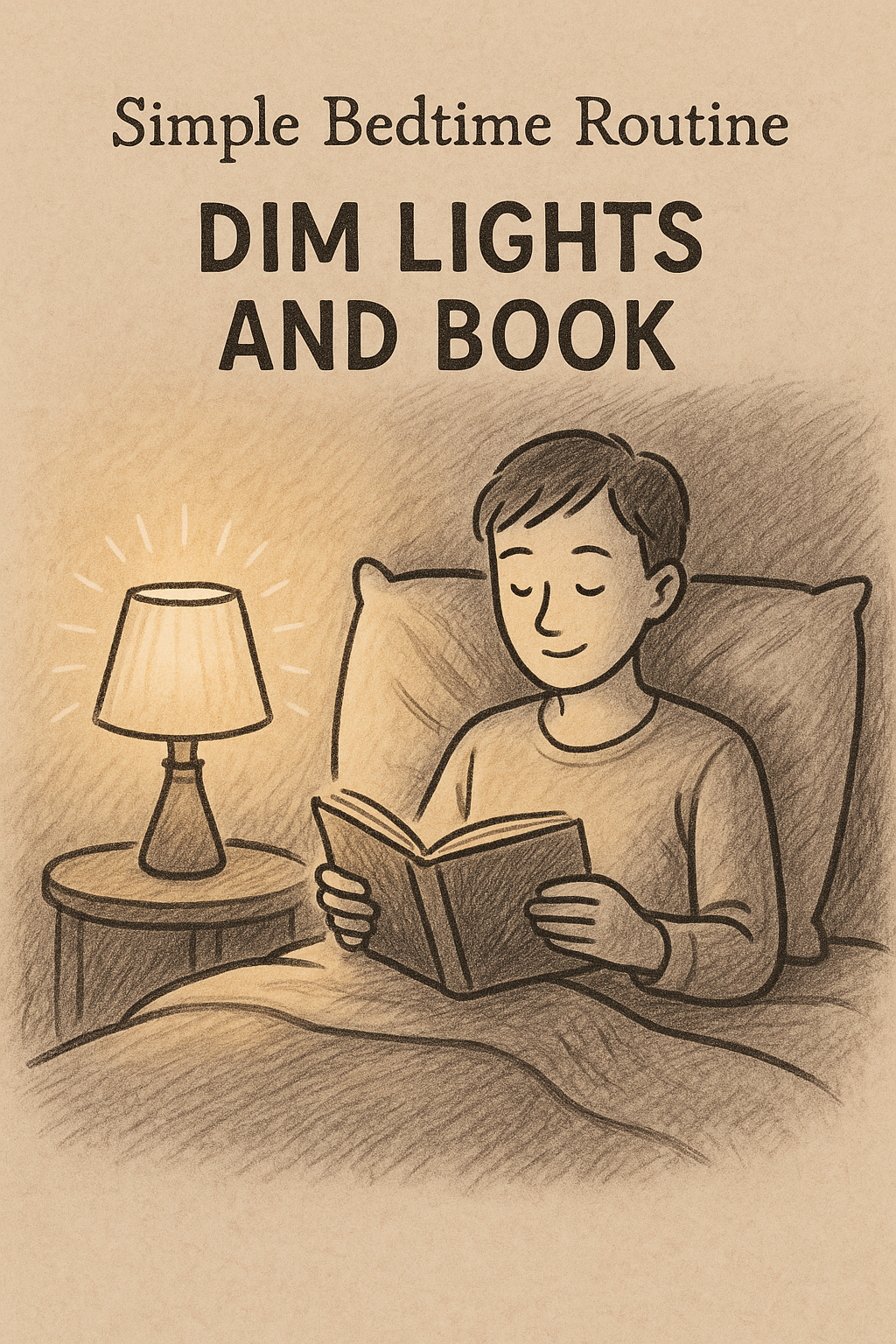
3) Create a Wind-Down Window (30–45 Minutes)
- Dim lights.
- Do the same sequence nightly: wash → stretch → journal → read.
- Switch from screens to paper, or use blue-light filters + lowest brightness if reading on a device.
4) Cool, Dark, Quiet Bedroom
Most people sleep best around 60–67°F (15–19°C). Try blackout curtains or an eye mask. If noise is an issue, use earplugs or a simple fan/white-noise app. Keep your phone facedown or outside the room.
5) Caffeine, Alcohol, and Late Meals
Stop caffeine 6–8 hours before bed (sensitive sleepers: 10–12 hours). Alcohol may make you drowsy but fragments sleep later; limit to small amounts and finish early evening. Eat a normal dinner and avoid heavy, spicy meals late. If you go to bed hungry, a small carb + protein snack (e.g., banana with yogurt) is fine.
6) Move Daily-But Not Too Late
Even 20–30 minutes of walking or light exercise raises sleep pressure. Finish intense workouts 2–3 hours before bedtime so your core temperature can drop again.
7) Park Worries on Paper
When your brain won’t shut up, give it a parking lot. Spend five minutes writing: “What’s on my mind?” and then “What’s the next tiny step?” Close the notebook; promise your brain you’ll handle it tomorrow.
8) Reserve the Bed for Sleep
If you’re awake and frustrated after ~20 minutes, get up. Keep lights low and do something calm (read a paper book, breathe slowly). Return to bed when you feel drowsy. This retrains your brain to link bed = sleep.
9) Gentle Natural Aids (Optional)
- Magnesium glycinate or magnesium citrate can relax muscles for some people. (If you have a medical condition or take meds, ask a professional first.)
- Herbal teas like chamomile or lemon balm feel soothing. Keep liquids modest to avoid nighttime bathroom trips.
- Lavender scent (drop on pillow or diffuser) may help relaxation.
Common Mistakes to Avoid
- Sleeping in on weekends: it shifts your clock like jet lag.
- Long naps late in the day: keep naps 20–30 minutes, before 3 p.m.
- Doomscrolling in bed: light + stress = alert brain. Park the phone away from the pillow.
A 7-Night Starter Plan
- Day 1–2: Fix wake-up time; get morning light; stop caffeine after lunch.
- Day 3–4: Add a 30-min walk; start the wind-down ritual; dim lights after sunset.
- Day 5–6: Cool bedroom; use earplugs/white noise; do the worry “parking lot.”
- Day 7: Review what helped most; keep those habits next week.
If your sleep remains poor for weeks or you have loud snoring, choking in sleep, or frequent breathing pauses, talk to a healthcare professional to rule out conditions like sleep apnea.