Why does checking on a single tomato plant feel more rewarding than an hour of doom-scrolling? Science has the answer.
In the concrete jungle, we are often starved of nature. This "nature deficit" has real biological consequences, from increased cortisol levels (the stress hormone) to decreased attention spans. But urban gardening—even if it's just a few herbs on a windowsill—acts as a powerful psychological recalibration tool. It's not just about the food; it's about the connection.
Biophilia: The Genetic Need for Green
Biophilia is the hypothesis that humans possess an innate tendency to seek connections with nature and other forms of life. When you interact with a plant, you are signaling to the primitive parts of your brain that you are in a safe, resource-rich environment. This triggers a relaxation response that modern architecture often lacks.
Cortisol and the "Check-In" Ritual
Studies have shown that just 15 minutes of quiet gardening can lower cortisol levels more effectively than reading a book. The act of "checking in" on your plants—noticing a new leaf, testing the soil moisture, or spotting a tiny flower—requires soft fascination. Unlike the hard fascination required by screens (which is draining), soft fascination allows our directed attention to rest and recover.
Nurturing and Agency
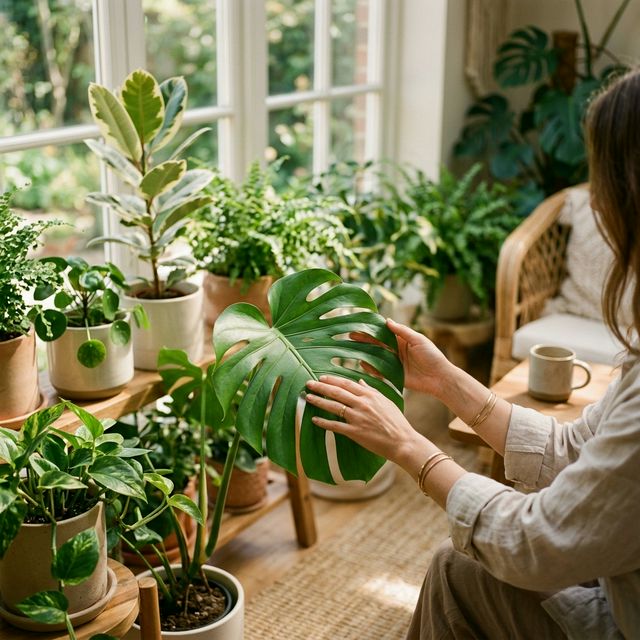
In a world where many of our tasks are abstract and digital, gardening offers a rare sense of agency. You take a seed, you provide the right conditions, and a tangible, living thing results. For anyone struggling with the feeling that their work is invisible, the slow, undeniable progress of a growing plant is a vital ego-boost.
The Science of "Awe": Why Small Miracles Matter
In psychology, "awe" is defined as the feeling of being in the presence of something vast that transcends your current understanding of the world. While we usually associate awe with the Grand Canyon or a star-filled sky, it can be found in the micro-level too.
Watching a dry, dormant seed split open and produce a vibrant green shoot in 48 hours is a "micro-miracle." This experience lowers our own sense of self-importance (the "small self" effect), which in turn reduces anxiety and increases our willingness to be kind to others.
Mindfulness Techniques for the Urban Gardener
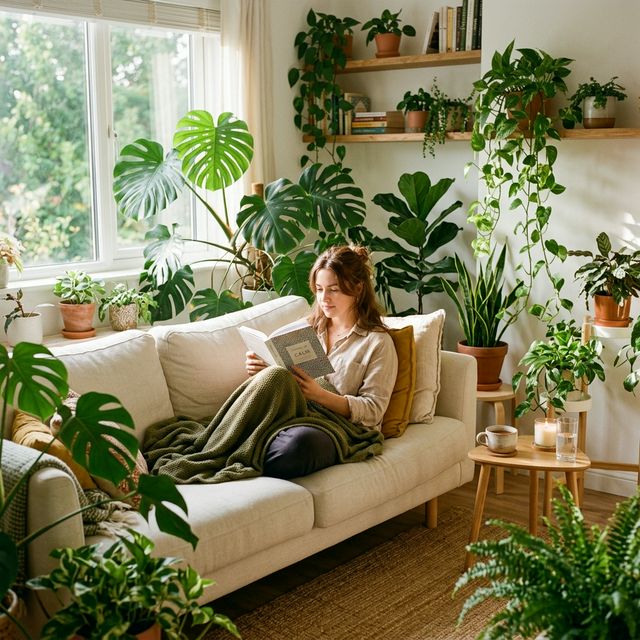
Gardening is often described as "meditation in motion." To maximize the psychological benefits, try these three mindfulness exercises next time you are with your plants:
- The Sensory Scan: Close your eyes for 30 seconds. Focus only on the smell of the damp soil, then the sound of the wind through the leaves, then the feel of the sun on your neck. This "grounds" you in the present moment, pulling you out of future-based worry.
- Selective Focus: Choose one leaf. Study its veins, its imperfections, and its varying shades of green for a full minute. This practice of sustained attention is the direct opposite of the fragmented attention required by social media.
- The Gratitude Harvest: Before you pick a tomato or a sprig of basil, take a second to acknowledge the work the plant did to produce it. This simple shift from "consumption" to "appreciation" triggers a powerful dopamine response.
Community and Connection: The Social Hub
Urban gardens, even on a private balcony, are rarely solitary. They are conversation starters.
Sharing a surplus of cherry tomatoes with a neighbor or trading mint cuttings in the hallway creates "micro-connections" that fight the isolation of city life. In a concrete jungle, a plant becomes a common language that transcends age, background, and career. You aren't just a tenant; you're part of a living network.
The Joy of Harvesting
The psychological peak of the gardening experience is the harvest. There is a deep, evolutionary satisfaction in consuming calories that you personally facilitated. This is known as the "Ikea Effect" applied to nature—we place a disproportionately high value on things we partially created ourselves. A salad made from a single, slightly misshapen balcony tomato will often taste better to the grower than a perfectly spherical, store-bought heirloom, simply because of the emotional investment baked into its cells.
Conclusion
Your garden is more than a source of food; it's a sanctuary for your mind. It's a place where the clocks slow down and the digital noise fades into the background. By choosing to nurture a plant, you are choosing to nurture yourself. So the next time you feel overwhelmed by the city, remember: the best therapist in the world might just be sitting in a pot on your windowsill.